
Grand Challenge Initiative: Health and Preparedness
Improving Human Health, Well-Being, and Preparedness
The world’s most urgent health challenges demand bold, collaborative solutions. At George Mason University’s College of Science, we bring together experts from across disciplines to pioneer new approaches to human health, empower individuals, and build thriving, resilient communities. Our research tackles critical issues, ranging from infectious diseases and drug discovery to biosecurity and clinical innovation, through partnerships across the university and beyond.

Building the Future of Health Sciences
Solving today’s toughest health challenges takes bold ideas and collaboration—and George Mason’s College of Science is leading the way. Our researchers and students work together to advance human health, empower communities, and drive innovations that protect both military and civilian populations.
Hands-on learning is central to our mission. Biology students explore molecular biology, genetics, ecology, and biotechnology, while Neuroscience students examine how the brain shapes perception, behavior, and diseases like Alzheimer’s and Parkinson’s. Our Chemistry and Biochemistry researchers study biomarkers of addiction, optimization of lipid nanoparticles for gene therapy, pesticides in food materials and chemical contaminants in water. Students gain extensive research experience and present their findings at conferences—preparing for medical school, graduate study, or industry careers.
Through the School of Systems Biology, students and researchers integrate molecular biosciences with computational tools to tackle challenges in immunology, virology, cancer biology, and bioinformatics.
For those pursuing medical or health professions, the GeorgeSquared Advanced Biomedical Sciences Program, offered with Georgetown University, provides a rigorous nine-month curriculum and personalized advising to prepare for the next step.
Across all programs, Mason scientists are turning knowledge into action, shaping a healthier, stronger future for us all.
Molecular Medicine at Mason
At the Center for Applied Proteomics and Molecular Medicine’s (CAPMM), the primary emphasis of disease research is cancer, but new technologies developed in the center are being applied to a number of important human diseases. Research, like that being done at CAPMM, provides strategies for personalized treatment with the goal of providing physicians key missing molecular information about the disease in each of their patients and improving the quality of life for patients.
Mason researchers lead breakthrough study to find functional cure for HIV
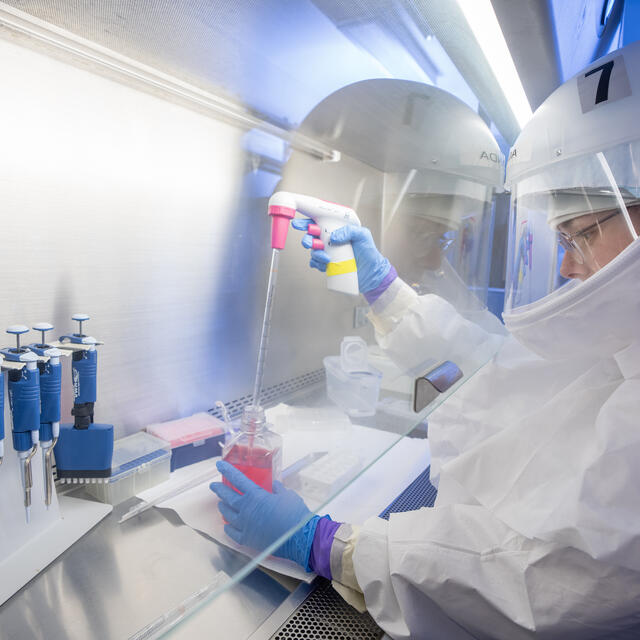
Researchers in the Center for Infectious Disease Research (CIDR), led by Professor Yuntao Wu, have developed a novel HIV Rev-dependent vector that shows promise as a functional cure for HIV. The team’s animal studies demonstrated reduced viral reservoirs and boosted immune responses, with one monkey maintaining undetectable virus levels for over two years without medication. This breakthrough signals a potential path toward therapies that could one day eliminate the need for lifelong antiretroviral treatment.

Mason postdoc leads scientific breakthrough that could revolutionize cancer treatment
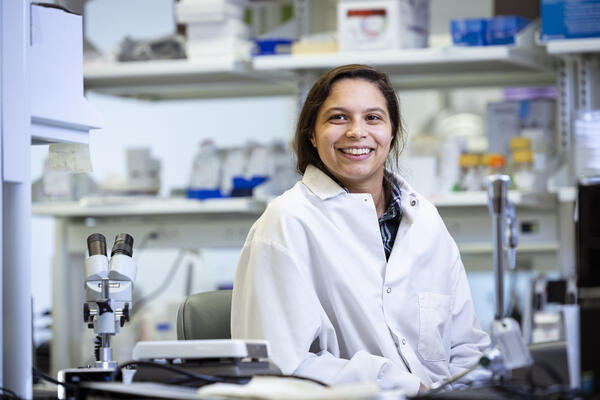
George Mason University postdoc Marissa Howard has led a groundbreaking discovery that allows scientists to "eavesdrop" on cancer cells' communications for the first time. Her team successfully tapped into tumors' molecular messaging system by studying extracellular vesicles within living tissue, revealing how cancers manipulate the immune system and recruit healthy cells.
Mason Researchers Awarded $1.1M to Transform Lyme Disease Testing
George Mason University’s College of Science and College of Public Health have received over $1.1 million in federal funding to develop a groundbreaking urine test for Lyme disease. This innovative approach detects bacterial molecules directly, allowing for earlier, more accurate diagnosis compared to current antibody-based blood tests. Researchers are also piloting an at-home collection method to make testing more accessible through telehealth.

Mason Health Experts
Monique Van HoekProfessor, School of Systems Biology
Monique Van Hoek is a leading researcher in the fight against antibiotic-resistant and biothreat bacteria. Her laboratory specializes in studying microbial pathogenesis and bacterial physiology, with particular expertise in Francisella tularensis (the causative agent of tularemia), bacterial communication systems, biofilms, and quorum sensing. Van Hoek's research addresses critical challenges in infectious disease, including the development and testing of novel antibacterial and antibiofilm compounds, with special emphasis on antimicrobial peptides effective against multidrug-resistant (MDR) gram-negative bacteria. Her work encompasses all ESKAPE pathogens and explores innovative approaches to wound infections and healing. Current projects include investigating Nanotraps technology for biomolecule binding in Francisella tularensis and conducting comprehensive bioinformatic analyses of secreted proteins in Francisella novicida.
Ramin HakamiAssociate Professor, School of Systems Biology
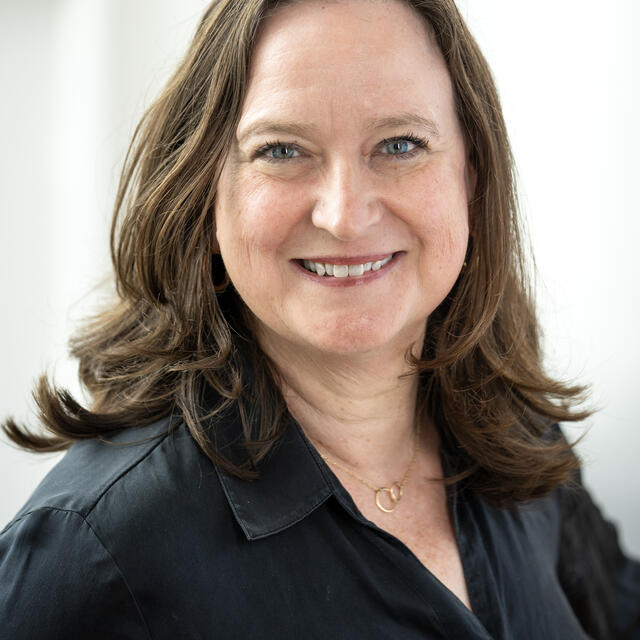
Ramin Hakami earned his Ph.D. in Biochemistry at MIT under Nobel Laureate Har Gobind Khorana and completed postdoctoral training at Harvard Medical School. He is now an Associate Professor of Microbiology and Infectious Diseases at George Mason University, where his lab investigates how vesicular trafficking regulates innate immune responses during infection. A central focus of his research is understanding how extracellular vesicles (EVs) influence host defense against high-priority bacterial and viral pathogens, with the goal of developing novel host-based therapeutics and vaccines. His team also pioneers new EV technologies and collaborates on advancing innovative treatment platforms for infectious diseases.
Aarthi NarayananProfessor, Biology
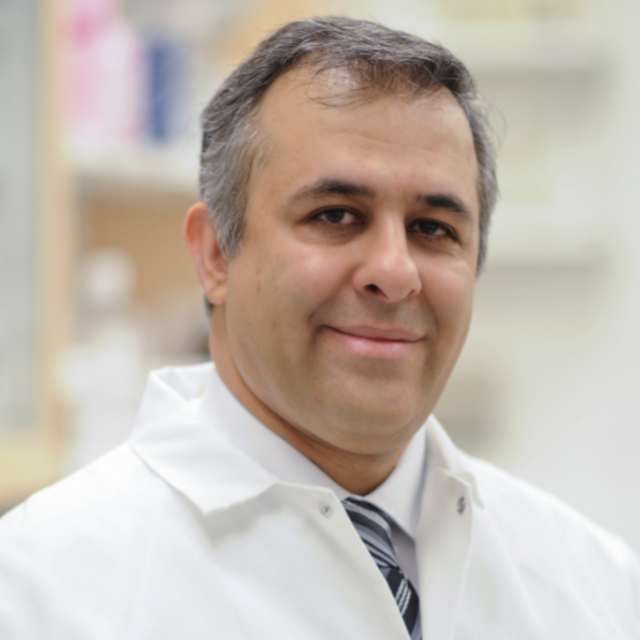
Aarthi Narayanan is a Professor at George Mason University whose research centers on host–pathogen interactions of human disease-causing viruses. Her laboratory investigates how viral infections shape innate immune responses and uses transcriptomic and proteomic approaches to identify biomarkers and therapeutic targets. By integrating multiomic data with machine learning, her team works to uncover broad-spectrum antiviral strategies and dynamic indicators of disease progression. These studies employ advanced preclinical models, from cell culture to organ-on-chip systems, to translate fundamental discoveries into clinically relevant therapies.
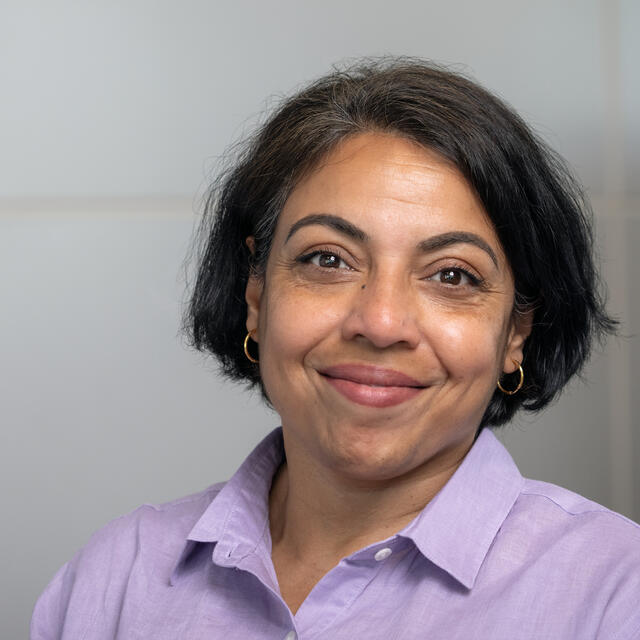
Emanuel "Chip" Petricoin Professor, School of Systems Biology
Emanuel Petricoin is a University Professor at George Mason University and Co-Director of the Center for Applied Proteomics and Molecular Medicine (CAPMM), a position he has held since 2005. He previously served as Co-Director of the FDA-NCI Clinical Proteomics Program and as a Senior Investigator at the FDA. His research focuses on developing proteomics technologies for personalized therapy and biomarker discovery, with direct clinical applications. A co-founder of four life science companies, Petricoin holds 40 patents and has authored more than 350 publications, while also serving in leadership roles with HUPO and multiple scientific journals.
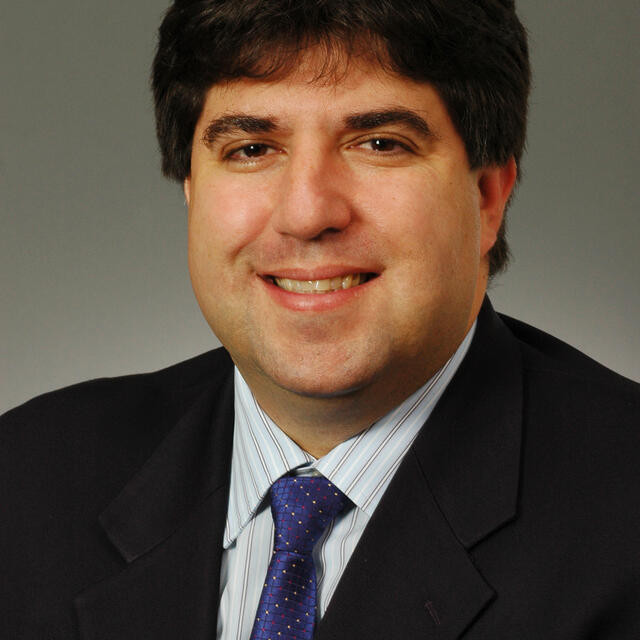
Alessandra LuchiniProfessor, School of Systems Biology
Alessandra Luchini is a Professor in the Center for Applied Proteomics and Molecular Medicine at George Mason University and Director of the Biosciences PhD Program in the School of Systems Biology. Her research focuses on developing nanotechnology-based tools to improve diagnostics and therapeutics for cancer, infectious, and inflammatory diseases, with recent efforts advancing Lyme disease detection. A co-founder of Ceres Nanosciences and Monet Pharmaceuticals, she was named one of Popular Science’s “Brilliant 10” in 2011. In 2023, Luchini received Virginia’s Outstanding Faculty Award from SCHEV, the state’s highest honor for faculty excellence in teaching, research, and service.
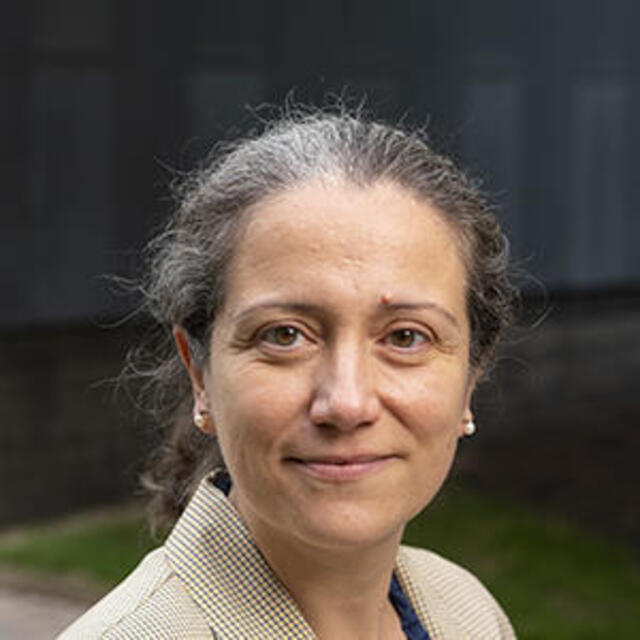
Joseph DiZinnoAssociate Professor, Forensic Science Program
Joseph A. DiZinno, DDS received a Bachelor of Science (B.S.) Degree from the University of Notre Dame and a Doctor of Dental Surgery (D.D.S.) degree from Ohio State University. After practicing dentistry for approximately six years, Dr. DiZinno sold his dental practice to follow his childhood dream and entered onto duty with the FBI, trained as an FBI Special Agent and was assigned to the FBI Washington Field Office where he investigated cases mainly dealing with bank robberies, kidnapings and extortions. After three years as a field agent, Dr. DiZinno was assigned to the FBI Laboratory and qualified as a Forensic Examiner where he examined forensic evidence and testified to the results of his examinations. He then spent approximately four years participating in forensic mitochondrial DNA (mtDNA) research and validation. Dr. DiZinno was then selected as the Unit Chief of DNA Analysis Unit II where forensic mtDNA examinations are performed. After serving as the Unit Chief of DNA Unit II, Dr. DiZinno was selected as the Section Chief of the Scientific Analysis Section, the Deputy Assistant Director and finally as the FBI Assistant Director in charge of the entire FBI Laboratory. Dr. DiZinno led all FBI Laboratory case working, forensic response and administrative personnel for approximately two years before retiring from the FBI on February 1, 2008. Dr. DiZinno now serves as a faculty member at GMU where he teaches undergraduate and graduate level forensic science courses. Dr. DiZinno brings a wealth of hands-on, real world forensic experience to his students and continues to be involved with ongoing forensic research efforts as the GMU Forensic Program Graduate Research Coordinator.
One Health: A Shared Commitment
The College of Science at George Mason University collaborates with industry, government, and community partners to address the world's most pressing health challenges through innovative One Health solutions.
"GeorgeSquared gave me the confidence to succeed in medical school"
James Castro credits the GeorgeSquared Advanced Biomedical Sciences program with giving him the confidence and academic foundation he needed to pursue his dream of becoming a physician. After strengthening his study skills and excelling in the program, he successfully applied early decision to George Washington University’s School of Medicine and Health Sciences, where he is now continuing his journey toward a career in medicine.

Bioinformatician maps her own path to NIH fellowship
From her first genome assembly project at George Mason to a prestigious NIH fellowship, Soukaina Amniouel's journey exemplifies how determination can turn obstacles into opportunities. The bioinformatics PhD '24 developed a patented machine learning model to improve chemotherapy matching while at Mason, positioning her perfectly for cutting-edge research at the National Institutes of Health. Now supporting drug discovery for cancer and neurodegenerative diseases, Amniouel finds fulfillment in knowing her daily data analyses directly impact patients' lives.


